UGC-Style Brand Videos Without Fake Customer Testimonials
Use conversational product storytelling while keeping demonstrations and sponsorship claims honest.
By the ClipMotion team · · 2,470 words · 12 min read
A ClipMotion brand guide written with AI assistance. Worked examples are hypothetical and do not represent measured customer results.
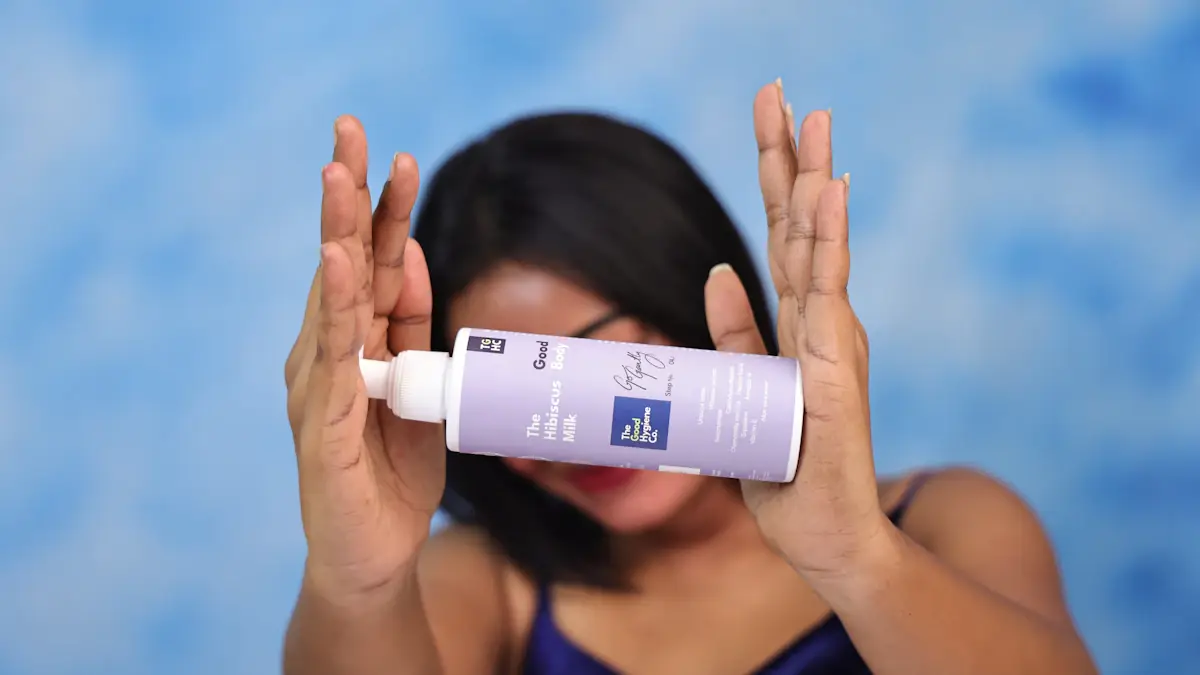
Authentic brand videos that resonate with audiences without relying on fabricated customer testimonials are not only achievable but essential for building lasting trust. The key lies in shifting from a simulated user experience to a transparent brand-narrated demonstration, leveraging genuine product insights, illustrative visuals, and a clear, relatable voice. By focusing on real product attributes, permission-based customer feedback, and the strategic use of tools like ClipMotion for visual content generation, brands can create compelling UGC-style content that genuinely informs and engages, demonstrating the product's value in a trustworthy manner rather than inventing fictional user stories.
For packing cubes, film the real packing and compression process if you want to demonstrate capacity. An AI scene can establish the travel setting, but it cannot prove how many garments fit or how well a zipper performs. State clearly when a sequence is illustrative, and compare every visible product feature with the actual item before release.
The Authenticity Imperative in Video Content
In an era saturated with digital content, consumers are increasingly discerning, gravitating towards authenticity and transparency. User-Generated Content (UGC) has become a powerful force because it often carries an inherent sense of trust, appearing unfiltered and genuine. Brands often try to emulate this style, but a critical line is crossed when "UGC-style" devolves into fabricating customer testimonials or inventing personal experiences. This practice, while seemingly a shortcut to relatability, erodes trust, risks legal repercussions, and ultimately devalues a brand's integrity. The imperative, therefore, is to capture the raw, relatable appeal of UGC without resorting to deceptive tactics. This guide explores how to achieve that delicate balance: fostering authenticity through honest brand narration, real product demonstrations, and responsible content creation. For a product like travel packing cubes, this means showcasing their utility, durability, and organizational benefits through direct demonstration, allowing the product's performance to speak for itself, rather than crafting a fictional narrative about "Sarah's incredible trip to Bali made perfect by these cubes." The focus shifts to verifiable facts and visible benefits, presented in an approachable, engaging manner.
Defining 'UGC-Style' for Brand Narrated Videos
The allure of "UGC-style" videos for brands stems from their perceived relatability, often featuring an unpolished aesthetic, direct address, and everyday scenarios that viewers can easily identify with. However, for brand-narrated content, this doesn't mean sacrificing quality or resorting to fakery. Instead, it involves adopting the spirit of UGC:
- Informal Tone: Employing conversational language rather than corporate jargon.
- Authentic Visuals: While not always filmed by a customer, the visuals should appear natural. Think about natural lighting, dynamic camera movements (even if controlled, like a steady handheld shot), and close-ups that highlight textures and details.
- Problem/Solution Focus: Addressing common pain points the product solves, as a customer might.
- Direct Product Interaction: Showing the product in use, rather than just talking about it. For travel packing cubes, this might translate to visuals of hands efficiently folding clothes and placing them into the cubes, demonstrating the compression feature, or neatly arranging various-sized cubes within a suitcase. The visuals would prioritize clarity and function, using everyday settings like a bedroom or hotel room, avoiding overly staged or studio-polished looks.
The Role of the Brand Narrator: Your Authentic Voice
The brand narrator serves as the transparent, knowledgeable guide through your product's story, offering insights and demonstrations without impersonating a customer. This role is pivotal in maintaining brand control, ensuring accuracy, and building trust through clear, direct communication. Whether an on-screen presenter or a skilled voiceover artist, the narrator acts as the brand's authentic voice, sharing verifiable information and demonstrating product value. Their authenticity comes from their expert understanding of the product and their ability to convey its benefits in a relatable, honest manner. The script for a brand narrator should be conversational, informative, and avoid overly aggressive sales pitches. Instead, it should focus on the problems the product solves and how it enhances the user's experience. For our hypothetical travel packing cubes, a brand narrator might say, "As passionate travelers, we understand the frustration of a disorganized suitcase. Let's explore how our packing cubes transform chaos into calm, keeping your essentials accessible and compact." This approach establishes expertise and empathy without fabricating personal endorsements, positioning the brand as a helpful resource rather than just a seller.
Securing Authentic Review Permissions (When Applicable)
While creating UGC-style videos without fake testimonials, brands can still leverage authentic customer feedback responsibly. The key is strict adherence to permission and transparency. This means obtaining explicit consent from verified customers to use their exact words, images, or video clips. Simply paraphrasing a review or attributing a fictional experience to a real person is unethical and legally risky. The correct approach involves:
- Direct Outreach: Contacting satisfied customers who have provided positive reviews and requesting permission to quote them directly in your video. Specify the exact context and medium.
- Website Forms: Creating a dedicated form on your website where customers can submit their testimonials and explicitly grant permission for various uses, including video.
- Terms of Service: Including clear language in your product's terms of service or a dedicated user-generated content policy that outlines how submitted content might be used, requiring users to opt-in. In the context of packing cubes, you might display text overlays of genuine customer quotes (e.g., "These cubes saved so much space – Sarah K.") on screen while the brand narrator demonstrates the product's features.
Leveraging Synthetic Characters and Illustrative Demos
Synthetic characters offer a powerful tool for illustrating product use cases and demonstrating features without needing to hire actors or imply fictional personal experiences. When used ethically, these characters function as visual aids, allowing brands to showcase product interaction, scale, or specific actions in controlled environments. The critical ethical boundary is to never attribute fictitious personal experiences or emotional responses to synthetic characters. They are not "customers" who have "loved" a product; they are demonstrative figures. For our travel packing cubes example, a synthetic animated hand could be shown meticulously folding various garments and placing them into the cubes, demonstrating the capacity and organization. A synthetic traveler, perhaps shown from the neck down or with an intentionally generic appearance, could be seen effortlessly placing the packed cubes into a suitcase, illustrating how they fit neatly and save space. This visually communicates the product's benefits in action. ClipMotion, an AI video studio for brands, can assist in this by generating visual clips based on detailed scene planning.
Crafting Illustrative Demonstrations: Show, Don't Tell
The core of an authentic brand video without fake testimonials lies in compelling, illustrative demonstrations. This approach allows the product to speak for itself, visually confirming its features and benefits. The focus is on showing how the product works, what it does, and why it's valuable, directly and clearly. To craft effective illustrative demonstrations for travel packing cubes:
- Identify Key Features: List out the most important aspects: compression, organization, durability, material quality, variety of sizes.
- Design Actions to Showcase Each Feature:
- Compression: A "before and after" shot of clothes neatly folded versus compressed within a cube. Visuals of the zipper being closed, demonstrating the expansion/compression mechanism.
- Organization: Multiple cubes, perhaps color-coded (hypothetical product feature), being arranged systematically within a suitcase. Close-ups of labels or icons (if applicable) for quick identification.
- Durability: A close-up of the fabric texture (e.g., ripstop nylon) or the smooth operation of a high-quality zipper, emphasizing construction.
- Capacity: Filling a cube with a defined set of items (e.g., 5 shirts, 2 pants) to visually demonstrate its holding power. 3.
Scripting for Impact: Balancing Information and Authenticity
A well-crafted script is the backbone of any effective brand video, especially when prioritizing authenticity over fabricated testimonials. The goal is to inform, engage, and persuade, all while maintaining a conversational and trustworthy tone. This balance is achieved by focusing on clear communication of facts, genuine product benefits, and addressing audience needs directly. Consider these elements when scripting:
- Conversational Language: Write as if you’re speaking directly to a friend, avoiding overly technical jargon or corporate speak. For packing cubes, instead of "Our advanced material composition optimizes thermal regulation," you might say, "The breathable fabric helps keep your clothes fresh."
- Problem-Solution Narrative: Start by acknowledging a common pain point your audience experiences, then introduce your product as the effective solution. Example: "Tired of your meticulously folded clothes becoming a wrinkled mess during travel? Our packing cubes are designed to keep everything neatly in place."
- Feature-Benefit Bridging: For each feature mentioned, immediately follow it with the benefit it provides to the user.
Visual Fidelity and Reference Management with ClipMotion
Achieving high visual fidelity for your product demonstrations, especially when using AI-driven tools, hinges significantly on the quality and accuracy of your reference materials. ClipMotion states that "Visual fidelity must be reviewed and is never guaranteed," underscoring the importance of meticulous input and subsequent review. This means the visual output is directly influenced by what you provide. Effective Reference Management:
- High-Resolution Product Images: Upload multiple angles and close-ups of your packing cubes, highlighting material textures, zippers, stitching, and any unique features. These images serve as the visual "truth" for ClipMotion's LTX 2.5 when generating scenes.
- Product Link Analysis: If your product is available online, providing a direct link allows ClipMotion to analyze existing imagery and descriptions, further informing its visual generation. Be aware that "some stores block import and require direct uploads," so manual uploading of high-quality assets is often the most reliable route.
- Contextual Details: For scenes illustrating the cubes in a suitcase, include reference images of typical suitcase interiors or hands interacting with the cubes.
Mistakes to Avoid and Their Fixes
Creating authentic brand videos without faking testimonials requires careful navigation. Several common pitfalls can undermine your efforts.
Mistake 1: Over-scripting leading to a robotic narrator.
- Problem: A script that is too rigid or sounds like it's being read rather than spoken naturally. This damages the "UGC-style" feel and authenticity.
- Fix: Write your script conversationally, using contractions and natural pauses. Practice reading it aloud multiple times, focusing on natural intonation. Allow for slight ad-libs or rephrasing if using a human narrator, as long as the core message remains accurate.
Mistake 2: Implying a synthetic character has a personal, subjective experience.
- Problem: Attributing feelings, opinions, or specific personal trips ("This cube saved my vacation to Paris!") to a generated hand or generic animated figure. This is precisely what we're trying to avoid.
- Fix: Rephrase all narration and on-screen text to focus purely on objective product demonstration or potential user benefits. For example, instead of "I packed all my clothes easily," use "See how you can effortlessly organize your entire wardrobe." The synthetic elements are illustrative tools, not virtual customers.
Mistake 3: Poor visual quality or significant mismatch between generated clips and the actual product.
- Problem: The visual clips generated by ClipMotion do not accurately represent the product's appearance, features, or functionality, leading to viewer confusion or distrust.
Acceptance Criteria for Authentic Brand Videos
To ensure your brand-narrated video successfully achieves authenticity without relying on fabricated testimonials, adhere to the following acceptance criteria:
- Product Accuracy: All visuals (whether generated by ClipMotion's LTX 2.5 or external footage) and narrative descriptions must accurately represent the product's appearance, features, and functionality. There should be no exaggeration or misrepresentation of capabilities. For packing cubes, this means the size, material, and zipper function are shown as they truly are.
- Transparency of Narration: The video clearly positions the brand or an authorized representative as the narrator or demonstrator. There is no ambiguity suggesting the voiceover or on-screen actions are from a genuine, uncompensated customer providing a personal testimonial.
- Ethical Use of Feedback: If genuine customer reviews are used, they are displayed as direct quotes (e.g., text overlays) from verified sources with explicit permission.
Final Checklist for Your Brand-Narrated Video
Before launching your authentic brand-narrated video, run through this comprehensive checklist to ensure all critical elements are in place and aligned with your strategy:
- Script Finalized and Authenticity Approved? Is the script conversational, informative, and free of any misleading claims or fabricated experiences? Does it clearly articulate your brand's message and value proposition?
- Brand Narrator Identified and Prepared? Whether voiceover or on-screen, is the narrator's delivery natural, engaging, and aligned with your brand's tone?
- Visual References for ClipMotion Uploaded and Accurate? Have you provided high-resolution, multi-angle images and relevant product links to ClipMotion to ensure the best possible visual generation from LTX 2.5?
- Scene Workflow Planned to Showcase Key Features? Are your scene descriptions detailed and precise, guiding ClipMotion to generate visuals that effectively demonstrate each product benefit (e.g., compression, organization for packing cubes)?
- Generated Visual Clips Reviewed for Fidelity? Have you critically assessed all visual clips from ClipMotion against your actual product references? Are any discrepancies addressed by refining references, adjusting the scene workflow, or integrating authentic photos/footage where necessary? Remember, "a revised prompt does not guarantee a corrected result.
Frequently Asked Questions
Q1: Can I use stock footage to enhance authenticity in a brand-narrated video? A1: Yes, stock footage can be used strategically to set a scene, establish context, or add visual interest, provided it complements your product demonstration without creating a misleading impression. For instance, a quick shot of a bustling airport could introduce a segment on travel challenges before you demonstrate packing cubes. The crucial caveat is to ensure the stock footage doesn't imply a specific personal experience or testimonial related to your product that didn't happen.
Q2: How do I ensure my video feels UGC-style without sacrificing overall quality? A2: Achieving a UGC-style feel* is more about aesthetic choices and tone than outright low production value. Focus on natural lighting, direct camera address, and an informal, conversational script. High-quality audio and crisp visuals of your product in action (which ClipMotion can help generate with good references) contribute to a professional yet relatable video. The goal is "raw polished" – approachable and genuine, but still clear and impactful, avoiding actual low-quality elements like poor lighting or blurry visuals.
A3: Reject a generated clip if it misrepresents the product, invents a functional outcome or changes a feature the viewer could rely on. Narration does not repair misleading imagery. Simplify the scene, review new references, or replace the demonstration with authentic footage. Generated visuals may illustrate a setting; real recordings are the appropriate evidence for compression, capacity and actual use.
Q4: Should I always have a person on screen to make my video authentic? A4: Not necessarily. Authenticity in brand-narrated videos can be effectively conveyed through a voiceover combined with strong product demonstrations. For products like travel packing cubes, hands-on demonstrations showcasing features like compression, material quality, and organizational benefits can be incredibly compelling without a full human presenter. The choice depends on your brand's voice, the product's nature, and the specific message.
Ready to bring your authentic brand story to life? Begin planning your impactful, brand-narrated video demonstrations today. Start a project with ClipMotion and transform your product insights into compelling visual content.